


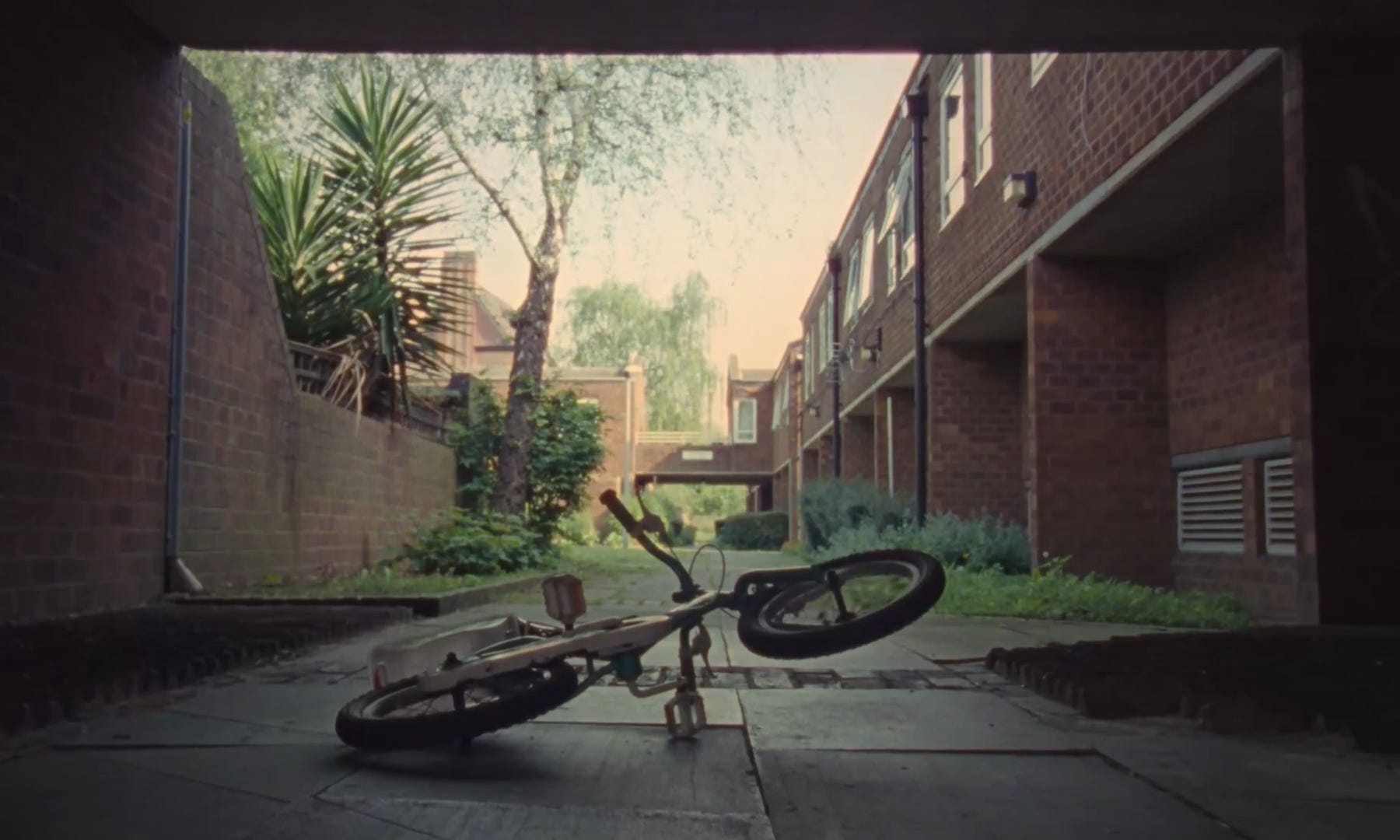
The bike either moves or it doesn’t. You are balanced and pedalling or you are not. There is no in-between moment where you are almost riding a bike.
One run your mind is telling you that you’ll never walk again if you don’t stop right now. The next you get lost in thought and forget you are running.
Not the run got easier. That specific run you stopped noticing it. No transition. No warning. The switch flipped.
One session it’s discomfort. The next it’s nothing.
This is not a motivational observation. It is a description of a biological mechanism that research has been documenting since 1974. Solomon and Corbit called it opponent process theory. Every stimulus that produces an initial aversive response, fear, discomfort, the dread of the blank page, the specific anxiety of new ground, also produces an opposing pleasurable response. And that pleasurable response strengthens with repetition until, at a threshold that varies by person and domain, the switch flips.
The discomfort doesn’t reduce. It inverts. Abruptly. Completely. The thing that was uncomfortable becomes the thing you seek.
I call this the Inversion Point. It is what the title of this Substack points at. Not strategic in the sense of planned. Strategic in the sense of deliberate, the choice to place yourself in the conditions where the biology can complete.
And the hedonism is real. After enough Inversion Points, the known state becomes the aversive one. Normal feels uncomfortable, restrictive, boring. The stretch becomes where the pleasurable response lives. Safety becomes the discomfort. The reversion still fires, the nervous system doesn’t stop trying. But the thing it is pulling toward no longer feels like relief.
The known ground has become the wrong ground. The Reach has become the operating mode.
There is, however, a second biological mechanism operating in parallel. And it runs in the opposite direction.
The nervous system is built to conserve energy and reduce uncertainty. When the stretch becomes uncomfortable enough, it pulls back toward the known state. The prefrontal cortex makes the commitment. The limbic system, older, faster, better resourced, fires the reversion at precisely the moment motivation is lowest. It doesn’t care about the commitment. It cares about threat reduction.
This is why the commitment matters more than the motivation. Motivation is a feeling. It comes and goes. The commitment is what holds the sessions on the days when motivation has gone, the days when nothing is telling you to go, when the alternative looks more rational, when the threshold feels further away than it was last week.
The session that produces the step change feels identical to the session before another flat day. You don’t know which one you’re in until it’s over.
So you turn up to all of them.
Next week
The first of six signals. Refusal, and why the no is the foundation of everything else.